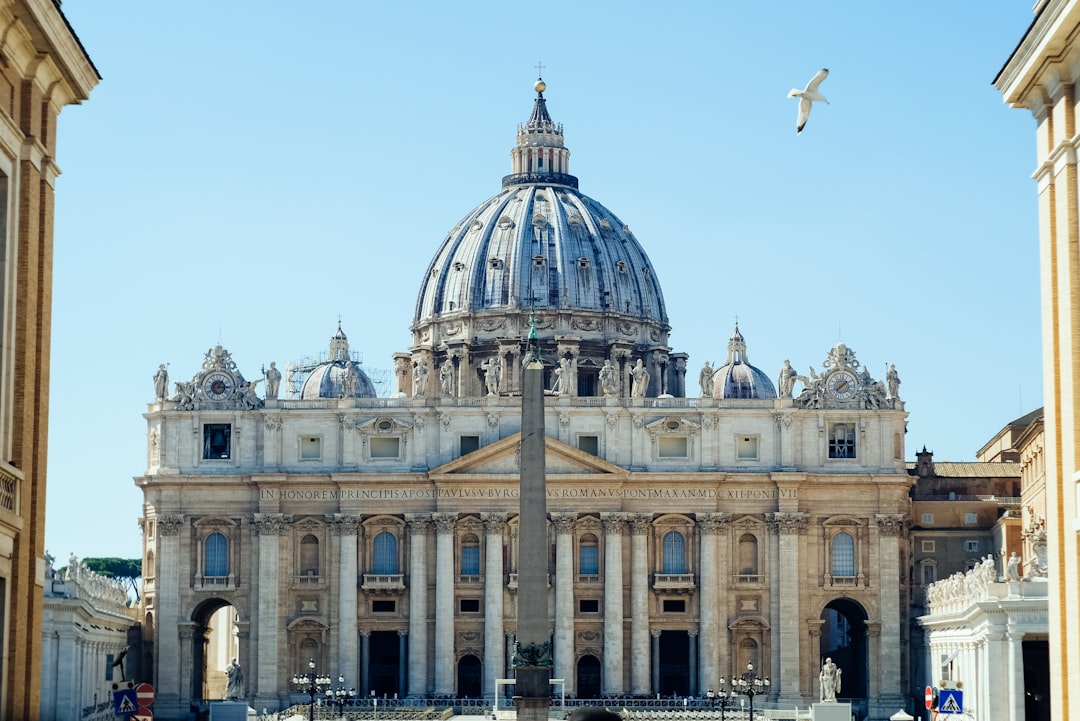
Bishop Pavlo Honcharuk of the Diocese of Kharkiv-Zaporizhzhia met privately with Pope Leo XIV at the Vatican on September 11. The hour-long audience provided an opportunity for the Ukrainian prelate to discuss the ongoing devastation in his region and receive assurances from the Holy Father regarding diplomatic efforts.
The diocese overseen by Bishop Honcharuk is situated in some of the most volatile areas of Ukraine, with Kharkiv and Zaporizhzhia lying close to the Russian border. These cities have endured intense bombardment throughout the conflict. During their meeting, the bishop described Kharkiv as a “fire” and the central point of the war’s violence.
Pope Leo XIV responded by affirming that the Vatican is working diligently to bring the hostilities to a close. The pontiff had previously renewed calls for an end to the violence in Ukraine on June 9, 2026, emphasizing the need for peace and the protection of civilians. Bishop Honcharuk expressed gratitude for the Pope’s continued prayers and support for the faithful suffering under siege.
Chaplains and Clergy Present
Bishop Honcharuk was accompanied by three other members of the Ukrainian clergy who serve on the front lines and in support roles. Father Volodymyr Kyrylyuk, rector of the seminary for the Latin Diocese of Kamyanets-Podilskyi, attends as a volunteer chaplain for a military unit. His presence highlights the Church’s direct engagement with soldiers amidst combat.
Also present were Sister Nelia Kutsak and Tatiana Goncharuk, both members of the Military Chaplaincy Commission of the Conference of Latin Bishops in Ukraine. Since 2014, they have provided pastoral care to soldiers and families who have lost loved ones. They also teach at the School for the Training of Chaplains, helping to prepare clergy for the unique spiritual demands of wartime ministry.
The meeting underscores the Vatican’s focus on human dignity amid global crises. As Pope Leo XIV has noted in other contexts, human dignity is a permanent gift of God’s love, a principle that guides the Church’s response to war and displacement. The Holy Father has also urged young people in conflict zones, such as West Africa, to remain agents of hope, reflecting a broader pastoral strategy for regions affected by instability as seen in his recent addresses.
While diplomatic channels work toward a resolution, the Church continues to provide spiritual sustenance to those living under constant threat.