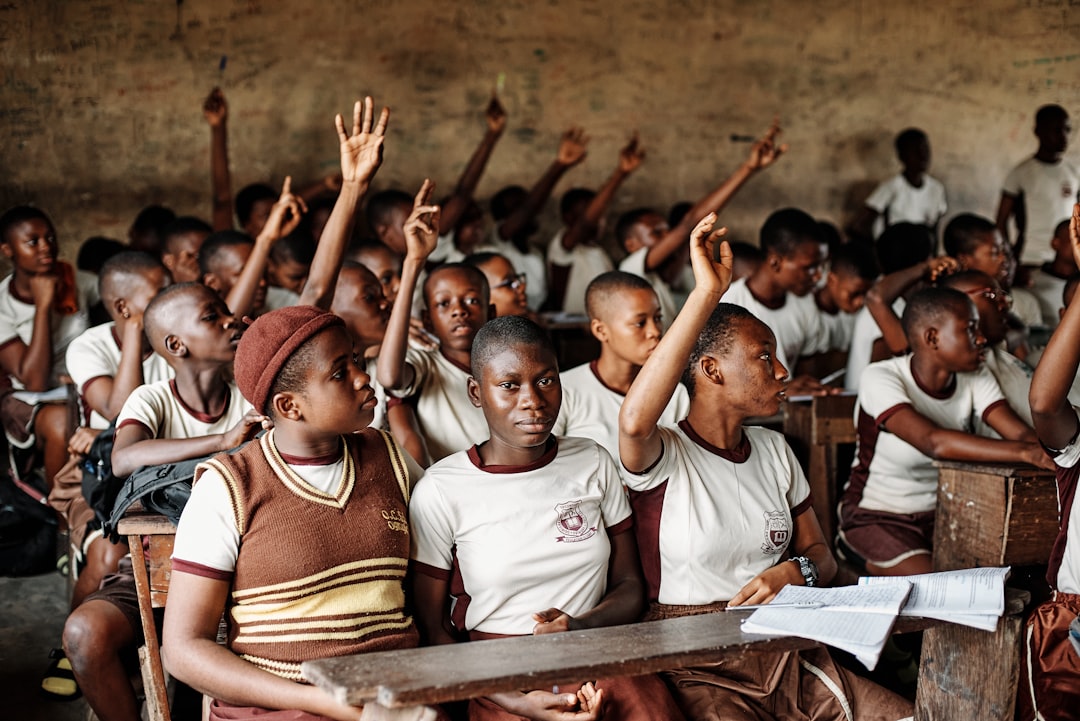
Pope Leo XIV addressed thousands of young Catholics in West Africa this week, urging them to maintain their faith and purpose despite the severe instability affecting the region. The Pontiff delivered his message via video link to approximately 4,000 participants gathered in Accra, Ghana, for the inaugural West African Youth Days.
The conference, organized by the Regional Episcopal Conference of West Africa (RECOWA/CERAO), ran from September 7 through September 12, 2026. Modeled after World Youth Day, the event brought together youths from 16 countries under the theme: “Take courage: young Catholics, agents and promoters of peace and hope in West Africa.”
A Message of Encouragement
In his address, Pope Leo XIV acknowledged the difficult realities facing the continent but emphasized the enduring value of each person. He told the assembly that they are not a “sacrificed generation,” a phrase intended to counter narratives of despair.
“At a time when so many crises seem to darken your horizon, I wish to encourage you to move forward without losing hope,” Pope Leo XIV said in his video message.
The Pontiff’s call for resilience comes as human dignity remains a central theme of his pontificate, described by the Holy Father as a permanent gift of God’s love that no external circumstance can erase. His remarks align with broader Vatican concerns about how global fragmentation affects the most vulnerable, particularly in regions where social structures are under strain.
Context of Violence and Hardship
The gathering took place against a backdrop of significant violence in the Sahel and West Africa. According to data from Intersociety, more than 3,000 Christians were killed in Nigeria during the first eight months of 2026 alone.
Ryan Brown, an expert on regional security, noted that jihadist groups have established a “corridor of violence” specifically targeting Christian communities in the Sahel. This pattern of persecution has created an environment of fear and displacement for many religious minorities.
Beyond direct violence, environmental factors are compounding the crisis. Jennifer Overton highlighted how climate change is worsening hardship and despair in the Sahel, exacerbating food insecurity and economic instability. These dual pressures—security threats and environmental degradation—have placed immense strain on local populations and their capacity to thrive.
Local Leadership and Digital Engagement
Archbishop Julien Kaboré, the Apostolic Nuncio to Ghana, oversaw the diplomatic aspects of the event. The conference also featured discussions on modern challenges facing the Church in Africa, including the role of technology.
Fr. Anthony Amponsah Afriyie, a Ghanaian priest, spoke about the impact of digital technology on youth culture. He addressed how platforms such as Facebook, WhatsApp, and Instagram shape communication and community among young Catholics. The discussion reflected a broader Vatican interest in how moral judgment is formed in the digital age, a topic recently emphasized by Vatican officials warning against delegating ethical discernment to artificial intelligence.
The West African Youth Days concluded on Saturday, September 12. The event served as both a pastoral encounter and a strategic meeting for young leaders from Nigeria, Mali, Burkina Faso, Niger, and other nations in the region. As Pope Leo XIV noted, these young people are called to be active promoters of peace, even when the surrounding context suggests otherwise.