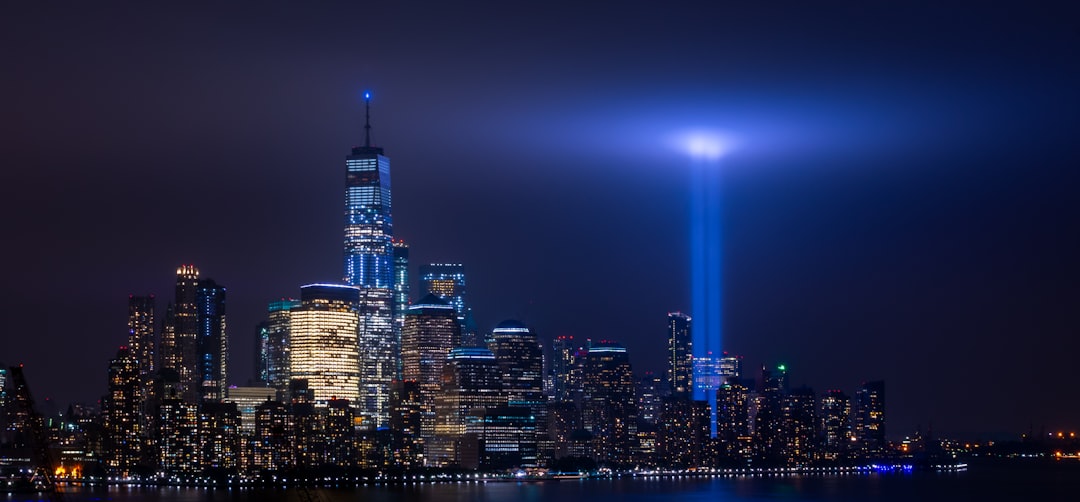
Archbishop Paul S. Coakley of Oklahoma City, president of the U.S. Conference of Catholic Bishops, issued a statement on September 9 from Washington marking the 25th anniversary of the terrorist attacks of September 11, 2001.
In his remarks, Archbishop Coakley called upon the faithful to offer prayers for those who lost their lives at the World Trade Center, the Pentagon, and in rural Pennsylvania. He also extended prayers to the families and friends of the victims, as well as to the first responders and emergency workers who answered the call that day.
The anniversary coincides with a broader reflection on global stability. Coakley highlighted the teachings of Pope Leo XIV, noting the Holy Father’s assertion that peace is both a presence and a journey, rather than merely a distant objective. This perspective aligns with the themes of the 59th World Day of Peace message for 2026.
“As conflicts intensify around the world, let us renew our commitment to be Christ’s instruments of peace in an increasingly fractured and divided world,” Coakley said.
The call for unity comes as a delegation of bishops from Mexico, Canada, and the United States convened earlier this week. The gathering underscores the transnational nature of the Church’s pastoral concerns, particularly regarding social cohesion and human dignity.
While the specific details of the trilateral meeting were not fully disclosed in the statement, the collaboration reflects ongoing efforts among North American episcopal conferences to address shared challenges. Archbishop Coakley’s message serves as a reminder that the legacy of September 11 extends beyond national mourning to a universal duty to foster harmony.
The Church’s commitment to peacebuilding remains central to its mission in public life. As noted by other church leaders, such as Archbishop Fabre, fostering an economy that respects the God-given dignity of every person is essential to lasting stability. Coakley’s statement reinforces this principle, urging Catholics to act as agents of reconciliation in a polarized society.