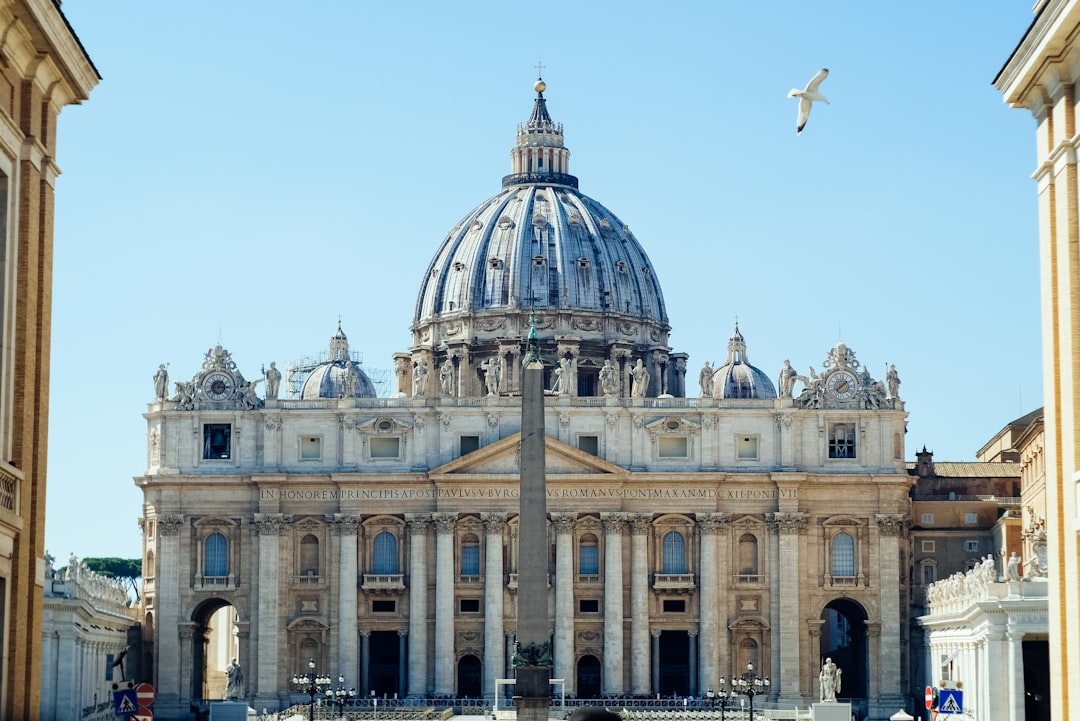
Pope Leo XIV offered a renewed call for global peace on Sunday, marking the 25th anniversary of the September 11 terrorist attacks. Speaking from his studio window overlooking St. Peter’s Square in Vatican City, the pontiff delivered his traditional noon blessing in English—the first time he has publicly commemorated the date since his election.
“I renew my prayers for those who lost their lives and for those who continue to bear the wounds of that tragic day,” Pope Leo XIV said. As the first U.S.-born pope in history, having been born in Chicago, his remarks carried a distinct personal resonance with the events that unfolded in his home country two decades ago.
A Personal Connection to 2001
The anniversary holds particular significance for Robert Francis Prevost, who was living in Rome at the time of the attacks. On September 11, 2001, he was attending an assembly of the Augustinian religious order. At that time, he served as the provincial leader of the Augustinians in Chicago.
Just three days later, on his birthday, Prevost was elected superior of the entire Augustinian order. He held this leadership role for two consecutive terms until 2012. The timing of his election placed him at the helm of the order during a period of profound global reflection and mourning.
Reflections on Violence and Injustice
In highlighting the pontiff’s early reflections on the crisis, Vatican News republished excerpts from Prevost’s first homily as superior, delivered on September 21, 2001. In that address, then-Fr. Robert Prevost connected the tragedy to broader social failures.
“Hatred and violence will continue to grow as long as so many people are forced to live in extreme poverty and are oppressed by so many forms of injustice,” he stated at the time. This perspective aligns with the Church’s longstanding emphasis on addressing the root causes of conflict, including economic disparity and systemic oppression.
The Pope’s Sunday remarks underscored a commitment to healing that extends beyond immediate grief. By invoking the memory of the victims and those still suffering, Leo XIV emphasized the enduring need for compassion and structural peace. His comments reflect a continuity with his earlier theological concerns regarding how injustice fuels violence, a theme relevant to current global challenges.
As the Church continues to navigate complex international crises, from conflicts in Eastern Europe to instability in West Africa, the Pope’s focus on peace remains central. Recent efforts have included assurances to clergy in war-torn regions and calls for youth engagement in rebuilding hope.