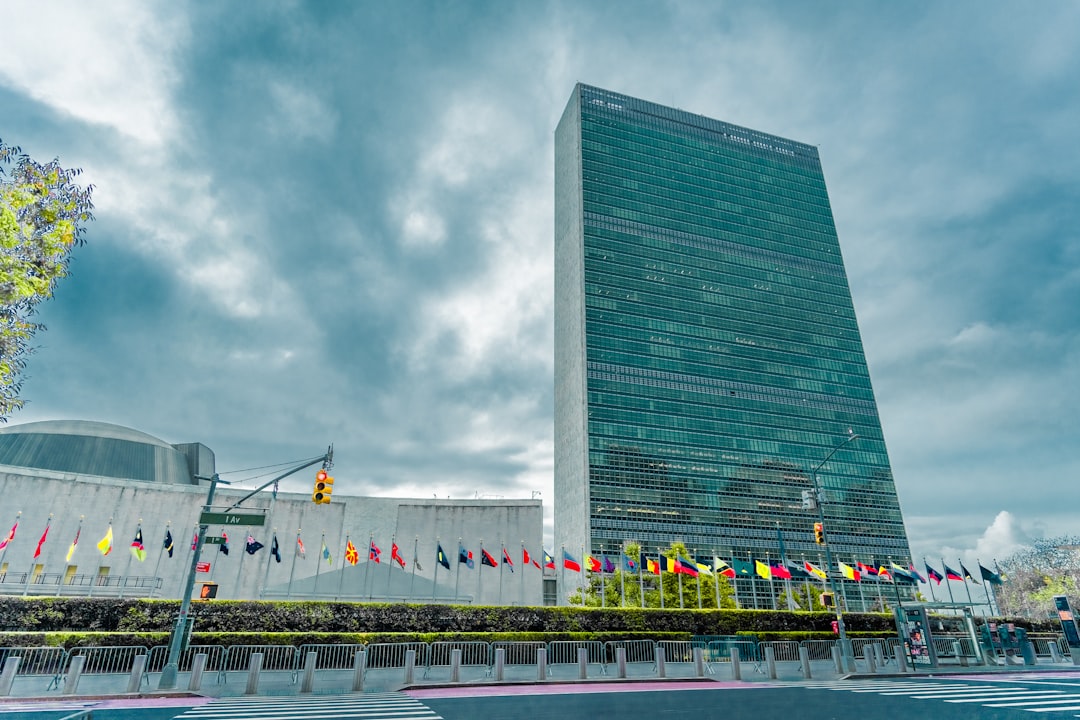
A coalition of legal experts and child rights advocates has formally requested that the United Nations recognize commercial surrogacy as a contemporary form of slavery. The Casablanca Group of Experts and Juristes Pour l’Enfance (Legal Professionals for Children) submitted the appeal to Katarina Schwarz, the U.N. special rapporteur on contemporary forms of slavery and human trafficking.
The submission coincides with the centennial anniversary of the 1926 Slavery Convention and precedes an upcoming session of the Human Rights Council. The groups argue that commercial surrogacy meets the legal definition of slavery established in the 1926 Geneva Convention, which prohibits the exercise of attributes of ownership over a person.
Arguments Against Commercial Surrogacy
The experts contend that surrogacy arrangements reduce the unborn child to an object subject to disposal. They further argue that the practice subjects the woman’s body to the will of third parties, including control over her diet, medical care, and decisions regarding embryo reduction or abortion.
“A child is always a gift and never the basis of a commercial contract,” Pope Francis stated in his 2024 address to the diplomatic corps accredited to the Holy See. The late pontiff described surrogacy as “deplorable” and emphasized that human life must be preserved and defended at every stage of its existence.
Growing International Consensus
The request aligns with recent assessments by United Nations bodies. In 2018 and 2019, the Special Rapporteur on the sale of children and the Committee on the Rights of the Child characterized surrogacy as a form of child trafficking.
In July 2025, the special rapporteur on violence against women and girls issued a report calling for the eradication of all forms of surrogacy. Additionally, a joint statement by states on June 22 urged a moratorium on the practice with the ultimate goal of universal abolition.
The Casablanca Group and Juristes Pour l’Enfance have urged Rapporteur Schwarz to encourage member states to end surrogacy within their territories. The appeal seeks to leverage the U.N.’s existing frameworks against human trafficking to address what they describe as a new form of exploitation involving women and children.
This development reflects a broader trend in international law and Catholic social teaching toward recognizing the inherent dignity of the human person from conception. As noted in recent interreligious dialogue, protecting human dignity remains a central concern for global leaders addressing emerging ethical challenges.
The U.N. special rapporteur has not yet responded to the specific request to reclassify surrogacy under slavery conventions. The Human Rights Council is expected to consider related issues in its upcoming session.