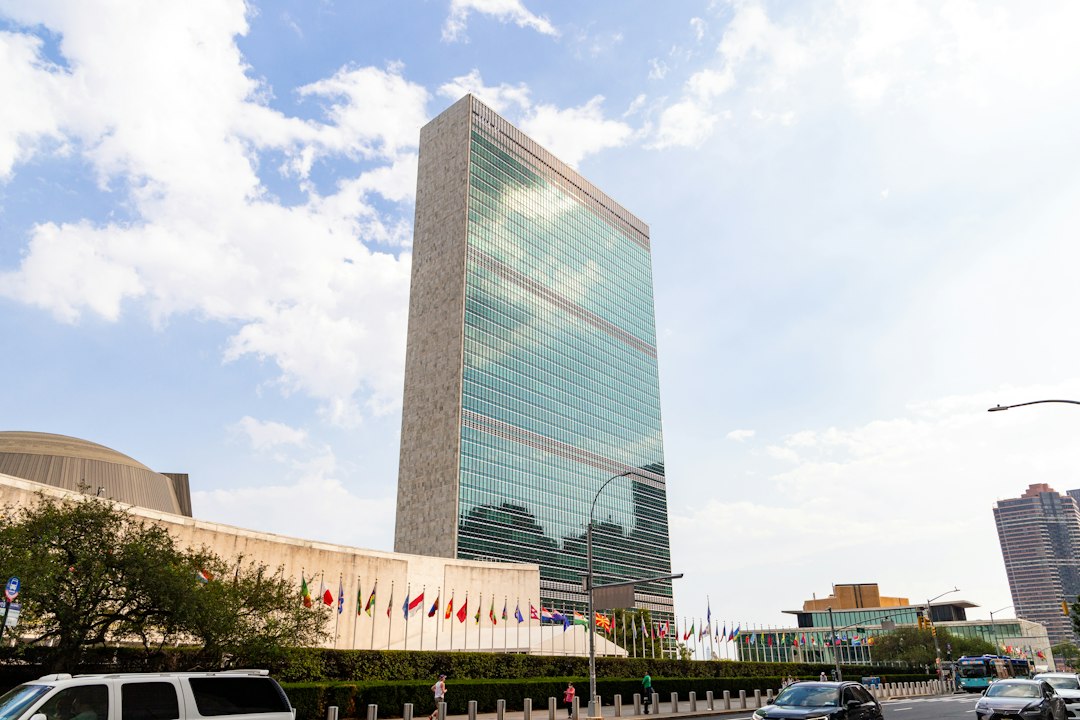
Archbishop Christophe Z. El-Kassis, the Permanent Observer of the Holy See to the United Nations, called for a global pause on capital punishment during an address to the Third Committee of the 81st session of the UN General Assembly on October 7.
In his remarks concerning the promotion and protection of human rights, Archbishop El-Kassis reaffirmed the Vatican’s longstanding position that the death penalty is incompatible with the inherent dignity of the human person. He argued that modern penal systems have advanced sufficiently to allow nations to protect public safety without resorting to execution, thereby preserving the possibility of repentance and redemption for offenders.
“The death penalty is inadmissible because it is an attack on the inviolability and dignity of the person,” Archbishop El-Kassis stated. He emphasized that a person’s God-given dignity remains intact regardless of the gravity of their crimes.
The Purpose of Punishment
The Holy See representative highlighted the irreversible nature of judicial errors, noting that miscarriages of justice carry permanent consequences when the death penalty is enforced. He urged states that retain capital punishment to establish a moratorium on executions as an essential step toward total abolition. Additionally, he called for the commutation of existing death sentences and guaranteed fair trials with adequate legal defense for those currently condemned.
Archbishop El-Kassis outlined a vision of justice focused on restoration rather than retribution. “The purpose of punishment is not vengeance, but rather to repair the social bond, protect the common good, and reintegrate the offender,” he said. He stressed that victims and their families are entitled to solidarity, support, and prompt, impartial, humane justice, but that societal responses must prioritize healing over retaliation.
Addressing Crime and Addiction
In a separate statement delivered on the same day regarding crime prevention, criminal justice, and international drug control, Archbishop El-Kassis addressed the evolving landscape of organized crime. He noted that criminal networks are increasingly exploiting technology to expand their reach and diversify operations, often linking narcotics markets to broader corruption.
The archbishop called for renewed determination in responding to these challenges, urging law enforcement to focus on identifying major criminal networks and prosecuting key figures. However, he cautioned that security measures must be balanced with mercy and perseverance aimed at the re-education and full integration of offenders back into society.
Referring to the 2026 UN World Drug Report, Archbishop El-Kassis emphasized the need for comprehensive programs to assist individuals struggling with addiction, particularly young people and those currently serving sentences. He advocated for access to medical treatment, psychological support, and sustained rehabilitation as critical components of effective drug policy.
Prevention efforts, he argued, must be accompanied by adequate, quality education. He stated that such education should begin within the family unit and be strengthened through school systems, creating a foundation that protects individuals from the harms of addiction and criminal exploitation.