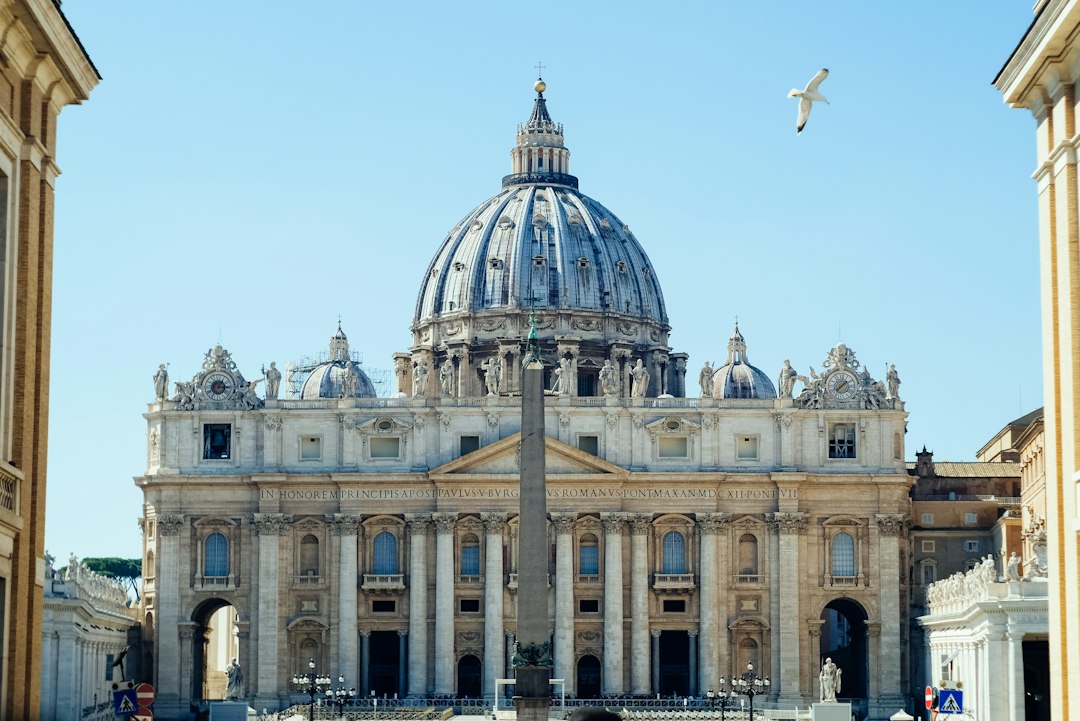
Pope Leo XIV convened a weeklong assembly of bishops at the Vatican on October 7, marking a decade since the publication of Pope Francis’ apostolic exhortation Amoris Laetitia. The gathering brings together presidents of bishops’ conferences and heads of Eastern Catholic churches to address contemporary challenges facing marriage and family life.
More than 150 prelates attended the opening session in the Paul VI Audience Hall, seated at round tables for what Vatican officials described as a closed-door meeting. Pope Leo XIV addressed the assembly in English, emphasizing the need for renewed pastoral approaches to proclaiming the Gospel and offering sacramental graces.
“During these days dedicated to prayer and reflection, we intend to place the beauty and fragility of families at the heart of our journey,” Pope Leo XIV said.
Pastoral Challenges and Church Response
The pontiff noted a growing disconnect between modern experiences of intimacy and the Christian vision of marriage. He observed that while young people desire love, fidelity, and belonging, many struggle to embrace lifelong commitment. Pope Leo XIV urged bishops to consider what kind of Church individuals encounter during their most vulnerable moments.
“Our task, therefore, is not only to interpret these realities but to let them question us and motivate our pastoral responsibility,” he stated.
The summit is organized jointly by the Vatican Dicastery for Laity, Family, and Life and the General Secretariat for the Synod. Discussions will be structured around five daily themes, including discerning the vocation to marriage and supporting families through life’s difficulties. Representatives from families across five continents are scheduled to share testimonies with the bishops.
Structure and Confidentiality
Vatican Media livestreamed the opening session on October 7. Bishops were instructed not to speak to the press during the proceedings to maintain discretion and confidentiality. The meeting will conclude on October 14 with a closing Mass in St. Peter’s Square and the release of a final synthesis document.
Dominican Sister Helen Alford, president of the Pontifical Academy of Social Sciences, delivered a meditation during the afternoon session. She reflected on the Gospel account of the Samaritan woman at the well, citing her as an example of someone navigating a fragile and irregular family situation.