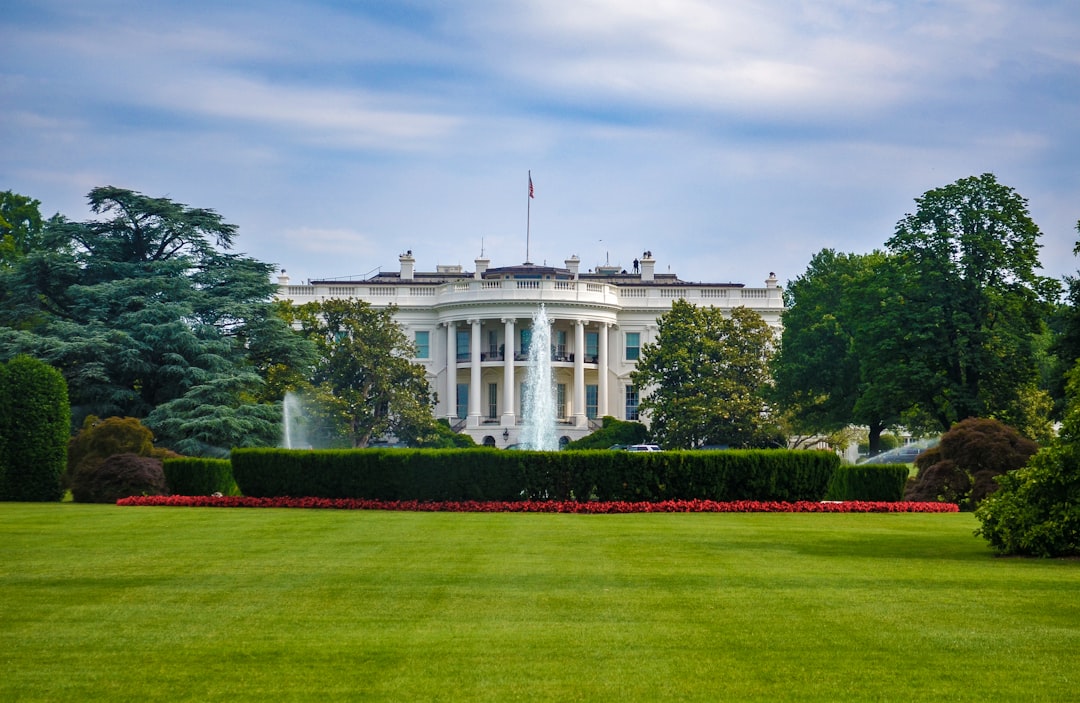
A presidential commission on religious freedom formally presented its final report to President Donald Trump in the Oval Office on Thursday, June 26, outlining a dozen concrete recommendations aimed at strengthening the protection of religious liberty across American public life.
The White House Religious Liberty Commission, established by executive order in May 2025 and chaired by Texas Lieutenant Governor Dan Patrick, conducted seven hearings over the past year, hearing testimony from more than 100 witnesses. Its final report addresses the concerns of a broad range of constituencies, including students, parents, teachers, coaches, school administrators, military service members, religious healthcare workers, and private-sector employees.
What the Commission Recommends
Among the most prominent of the 12 recommendations is a call for the Department of Justice to issue formal guidance clarifying the constitutional meaning of the Establishment Clause and the proper understanding of the separation of church and state — a phrase that does not appear in the Constitution itself but has shaped decades of legal interpretation.
The commission also recommends that the DOJ, the Department of Health and Human Services, and the Equal Employment Opportunity Commission jointly produce and distribute “Know Your Rights” materials tailored to students, parents, teachers, healthcare workers, and military personnel. These would be designed to inform individuals of their existing protections under the law before disputes escalate.
Another recommendation calls for the creation of dedicated religious liberty violation hotlines and online reporting portals through those same agencies, giving individuals a direct channel to report infringements on their religious expression. The commission further recommends that whenever a public official alleges a violation of religious expression, that official must provide a written explanation — grounded in a specific constitutional or legal provision — within 30 days of the alleged violation.
The report also addresses the rise in antisemitism in the United States, calling for targeted federal action to combat religiously motivated hostility toward Jewish Americans.
A Catholic Voice on the Commission
Bishop Robert Barron of Winona-Rochester, Minnesota, a prominent Catholic voice in American public life, participated in the commission’s work and spoke in support of the final report. He described religious liberty as foundational to American democracy, noting that it appears first among the freedoms enumerated in the First Amendment.
“It’s the first mention in the First Amendment and it’s basic to our democracy,” Bishop Barron said. “This is the first liberty.”
Bishop Barron also offered a personal assessment of the current administration’s record on religious freedom. “He’s the president in my lifetime who’s done the most for the defense of religious liberty,” he said of President Trump.
Religious Liberty and Catholic Social Teaching
The Catholic Church has long held religious freedom to be among the most fundamental of human rights. The Second Vatican Council’s declaration Dignitatis Humanae (1965) affirmed that every person has a right to religious freedom grounded in human dignity itself — a freedom that no government may legitimately suppress. The Catechism of the Catholic Church reaffirms that the right to religious liberty is not a privilege granted by the state but an inherent dimension of the human person’s relationship with God.
In the American context, the United States Conference of Catholic Bishops has repeatedly emphasized that religious liberty extends beyond the sanctuary — protecting the rights of faith-based institutions, schools, hospitals, and individual believers to act in accordance with their convictions in public life. Measures such as “Know Your Rights” materials and accessible reporting mechanisms align with the broader principle that legal rights are only effective when those who hold them are aware of and equipped to exercise them.
The commission’s work arrives at a moment of ongoing legal and cultural contestation over the boundaries of religious expression in schools, healthcare settings, and the military — areas where conflicts between civil mandates and faith convictions have repeatedly reached the federal courts.
Next Steps
The report has been submitted to the President, and it will now fall to the relevant federal agencies — principally the DOJ, HHS, and EEOC — to determine which recommendations they will act upon and on what timeline. No legislative action is required to implement several of the proposals, which rely on executive agency guidance and administrative infrastructure rather than new statutory authority.
How the administration and Congress respond to the full 12-point framework will likely shape the contours of federal religious liberty enforcement in the years ahead.