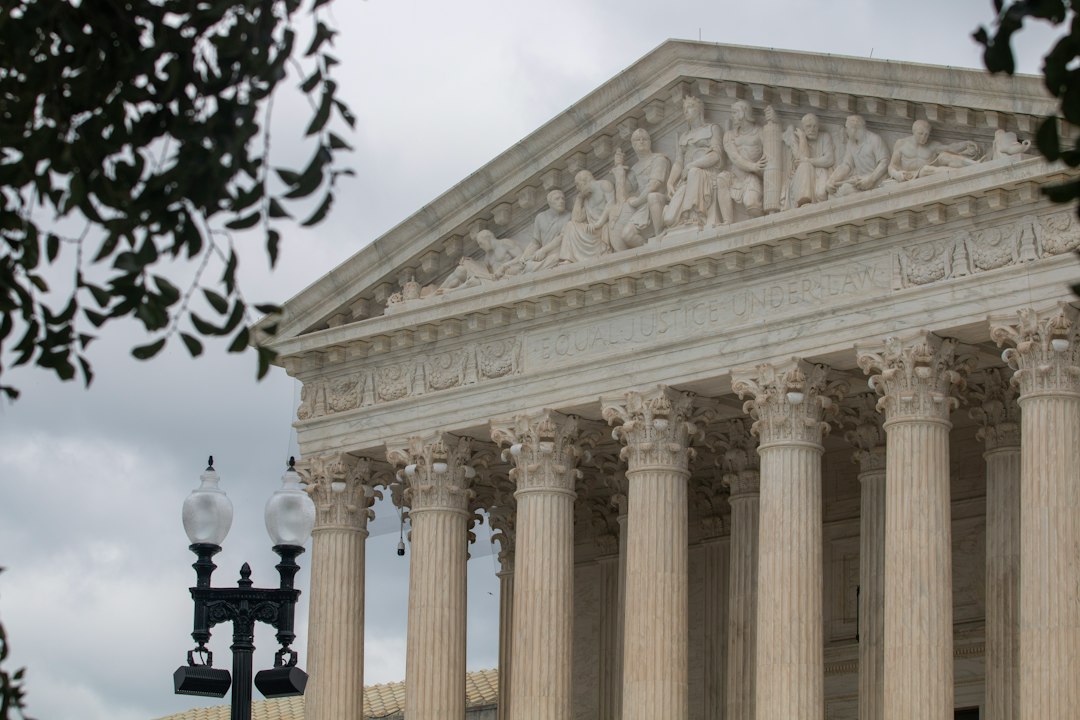
The Supreme Court began its new term on Monday, October 5, 2026, with oral arguments in cases addressing gun rights, religious liberty, immigration detention, and the limits of government power. Among the most significant disputes is Suncor Energy v. Boulder County, which centers on whether state tort law can be used to seek damages from oil companies for climate-related harms.
Colorado officials are pursuing claims against Suncor Energy and ExxonMobil, arguing that the federal Clean Air Act preserves their authority to enforce state laws. The energy companies contend that federal authority preempts such state-level litigation. Adam White, a senior fellow at the American Enterprise Institute, framed the core legal question as whether Colorado courts can effectively regulate conduct outside their jurisdiction.
Religious Liberty and Voting Rights
The Court is also examining St. Mary Catholic Parish v. Roy, a case testing whether Colorado can exclude Catholic preschools from its universal preschool program. The state requires participating private preschools to adhere to anti-discrimination rules covering sexual orientation and gender identity. St. Mary Catholic Parish maintains religious policies that bar same-sex couples and LGBT students, which conflict with those state mandates.
Carrie Severino, president of the Judicial Crisis Network, noted the presence of multiple religious freedom cases on the docket. In another significant matter, Republican National Committee v. Mi Familia Vota challenges an Arizona law requiring documentary proof of U.S. citizenship for certain voter registrations. The dispute focuses on whether the National Voter Registration Act prevents states from imposing additional documentation requirements.
The Arizona statute allows voters who cannot provide such documentation to register as “federal-only” voters, eligible only for federal elections. The Supreme Court’s decisions in these cases will clarify the balance between state regulatory power and federal statutory frameworks, as well as the scope of religious exemptions in public programs.