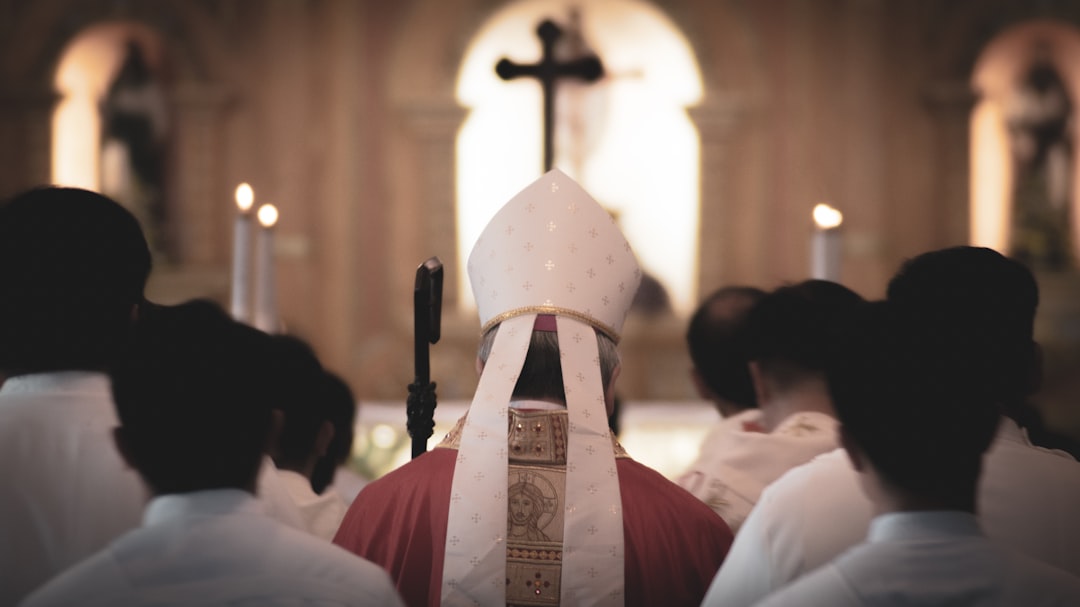
The United States State Department condemned the detention of Bishop Juan Abelardo Mata on July 4, adding its voice to growing international concern over the safety of a retired Catholic prelate held by Nicaraguan authorities since late June. The bishop’s whereabouts remain unconfirmed despite official claims that he has been released.
Mata, who retired as leader of the Diocese of Estelí in 2021, was detained by police on June 29, one day after he celebrated Mass in the city and called for prayers on behalf of the persecuted Catholic Church in Nicaragua. The interior ministry of Nicaragua acknowledged the detention in a July 4 statement, asserting that Mata “returned to his home” and “remains in perfect condition.” Church observers and independent media outlets have disputed that account, noting that his actual whereabouts have not been independently verified.
The Bureau of Western Hemisphere Affairs issued a direct statement: “We demand the immediate and unconditional release of Nicaraguan Bishop Abelardo Mata who has been arbitrarily detained by the Murillo-Ortega dictatorship.” U.S. Senator Rick Scott had called for Mata’s immediate release and proof of life on July 2, days before the State Department’s formal condemnation.
A Pattern of Church Suppression
Mata’s detention fits into a broader campaign against the Catholic hierarchy in Nicaragua. At least two other clergy members were also detained: Father Francisco Morales, a pastor in Estelí, remains missing, while Deacon Wilfred Arauz Rodríguez was detained and subsequently released. More than 300 priests, religious figures, and seminarians have been forced into exile, and four bishops are now living outside the country.
The most prominent case involves Bishop Rolando Álvarez of Matagalpa, who was convicted on conspiracy charges and sentenced to 26 years in prison in 2023 before being exiled. Álvarez currently serves as apostolic administrator of the Diocese of Estelí, overseeing the jurisdiction from which Mata retired.
An exiled Nicaraguan lawyer, Martha Patricia Molina, rejected the government’s assurances. “Until the dictatorship does not present the emeritus bishop Juan Abelardo Mata safe and sound at his home, any statement they issue is a lie,” she stated, capturing the skepticism with which observers regard official Nicaraguan claims about detainees.
Vatican Response and Exile Communities
Pope Leo XIV has direct engagement with Nicaragua’s exiled bishops. On August 23, 2025, the pontiff received three exiled Nicaraguan bishops—Carlos Herrera, Isidoro Mora, and Silvio José Báez—at the Vatican. Báez, who ministers in Florida after Pope Francis requested his departure from Nicaragua in 2019, represents the deep fracture between the Church and the government under President Daniel Ortega.
Cardinal Leopoldo Brenes, the archbishop of Managua, has remained in the country. The 77-year-old cardinal recently returned from the June consistory in Rome and met with Pope Leo XIV on July 5 in Managua, providing a direct line of communication between the Holy See and the Nicaraguan Church during the crisis.
The detention of Mata and the continuing suppression of the Catholic Church in Nicaragua underscore the vulnerability of Church leadership in the country and the reliance on international pressure and Vatican advocacy for the safety of clergy. As long as Mata’s whereabouts remain unconfirmed, diplomatic calls for his release and proof of life will likely intensify.