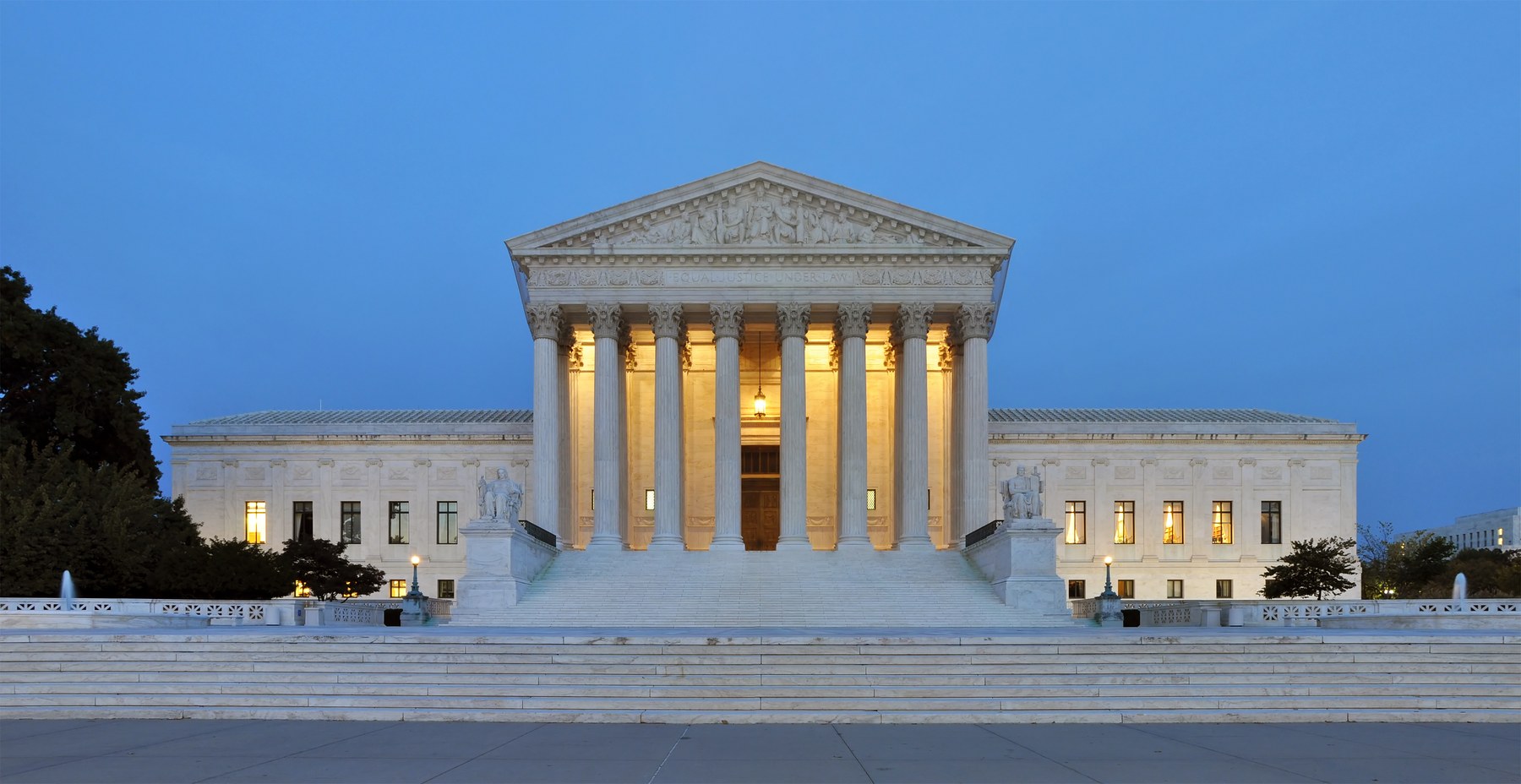
The U.S. Supreme Court is scheduled to hear arguments Dec. 9 in Grand v. City of University Heights, a religious-liberty case involving an Orthodox Jewish man’s planned prayer gathering at his Ohio home.
Daniel Grand says his faith requires prayer with a group of at least 10 men and prohibits driving on the Jewish Sabbath. In January 2021, he offered to host a Sabbath prayer gathering at his University Heights residence.
A neighbor forwarded Grand’s email to the city and asked officials to stop the gathering. The city then told Grand he could not use his home for religious assembly without obtaining a special-use permit.
Grand canceled the gathering and applied for the permit. After a public hearing, the planning commission tabled his request. Grand withdrew the application before the commission’s next hearing.
He later sued, alleging that the city violated the First Amendment and the Religious Land Use and Institutionalized Persons Act. A federal court in Ohio held that the case was not ripe for review, and the Sixth Circuit Court of Appeals agreed in November 2025.
Neither lower court ruled on whether University Heights violated Grand’s religious freedom. The Supreme Court will instead consider whether Grand could bring the lawsuit immediately or first had to complete the zoning process.
Grand sold his University Heights home after the Supreme Court agreed to hear the case. The city argues that the dispute is now moot and has asked the justices to dismiss it. Grand’s lawyers, including attorneys from Alliance Defending Freedom, argue that his claims for damages keep the case alive.
The U.S. Department of Justice, the U.S. Conference of Catholic Bishops, the Becket Fund for Religious Liberty, members of Congress and the Christian Legal Society have filed briefs supporting Grand.
The Christian Legal Society wrote that “A permit requirement that reaches a minyan [group of ten Jewish adults gathered for religious purposes] today reaches a Bible study tomorrow.”
The Supreme Court could resolve the case narrowly on the procedural question. A decision is expected by the end of June 2027.