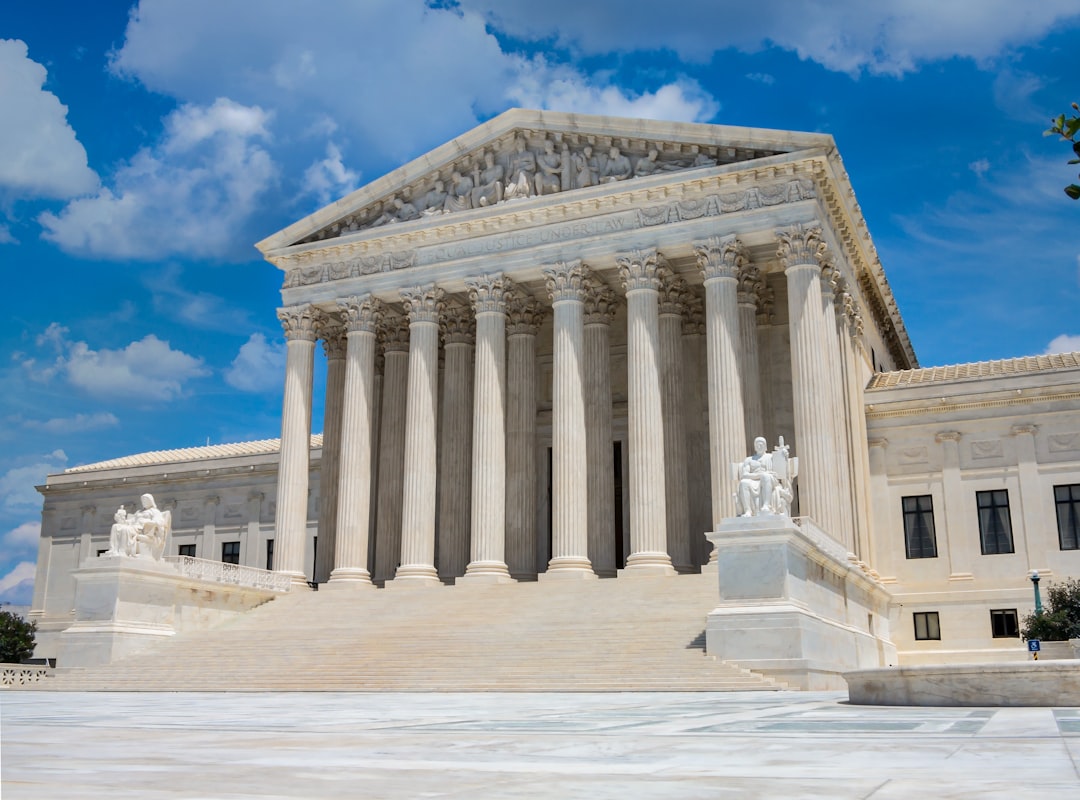
The U.S. Supreme Court ruled on June 30 that states have the constitutional authority to prohibit males from competing on women’s sports teams, handing a significant victory to advocates of sex-based protections in athletic competition. The decision, reached in consolidated cases originating from Idaho and West Virginia, resolved a question that has divided lower courts, sports governing bodies, and legislatures across the country.
The Court’s majority held that federal Title IX regulations permit schools and states to define athletic teams by biological sex. Plaintiffs in the two cases had argued that Title IX’s prohibition on sex discrimination required allowing athletes who identify as the opposite sex to compete in categories matching their gender identity. The majority rejected that reading, pointing to “safety and competitive fairness” as legitimate governmental interests that justify drawing lines by biological sex in athletic competition.
A 6-3 Decision With Notable Concurrences
The ruling divided along familiar ideological lines, with all three of the Court’s female justices — Sonia Sotomayor, Elena Kagan, and Ketanji Brown Jackson — writing partial concurring opinions that expressed serious reservations about the majority’s reasoning, even as they joined portions of the decision.
Justice Sotomayor wrote that the ruling “inflicts a hardship” on athletes who identify as the opposite sex. Justice Jackson went further in her partial concurrence, contending that a law barring male participation in female sports “might well run afoul” of Title IX’s implementing regulations if those regulations are understood to incorporate gender identity within the definition of sex. The majority evidently disagreed with that interpretive approach.
One of the Idaho cases had a procedural wrinkle: the plaintiff, Lindsay Hecox, asked the Supreme Court in September 2025 to dismiss the Idaho case from the consolidated docket — a request the Court did not ultimately grant, allowing the ruling to proceed on both cases.
A Decision in Step With Sports Governing Bodies
The ruling arrives at a moment when major sports institutions have independently moved in the same direction. The NCAA announced a ban on males competing in women’s athletic categories in 2025, a decision the organization linked in part to a Trump administration executive order that threatened the loss of federal funding for schools that did not comply. Separately, the International Olympic Committee announced a policy in March forbidding males who identify as women from competing in the women’s category at Olympic events.
The convergence of judicial, executive, and institutional action on this question suggests that the debate, at least in its legal dimension, may be substantially settled — though the social and pastoral dimensions of the issue for affected individuals remain ongoing.
How Catholic Teaching Bears on the Question
The Supreme Court’s ruling touches on questions about the nature of the human person that Catholic teaching addresses with some precision. The Catechism of the Catholic Church affirms that human beings are created male and female, and that this bodily distinction is a gift rather than an arbitrary social assignment (CCC 369–370). Pope John Paul II’s theology of the body developed at length the idea that the body reveals the person, and that biological sex is constitutive of human identity — not merely a variable to be overridden by self-identification.
Catholic social teaching also holds that just institutions must account for genuine differences when those differences are morally relevant. In the context of athletic competition, where physiological differences between male and female bodies directly affect outcomes, maintaining sex-based categories serves the goods of fairness and the dignity of female athletes — values the Church would recognize as consistent with the common good.
None of this diminishes the Church’s insistence that every person, regardless of how they understand their own identity, be treated with dignity and compassion. The ruling settles a legal question; the pastoral care of those who experience gender dysphoria remains a distinct and serious responsibility for families, parishes, and dioceses.
The decision is expected to give legal cover to the more than two dozen states that have enacted legislation restricting female sports participation to biological females, shielding those laws from further Title IX challenge in federal court. States that had not yet acted may now consider similar measures with greater confidence that such laws will survive judicial scrutiny.
The ruling is one of several consequential decisions issued by the Court this term. Earlier rulings this session addressed immigration enforcement and housing legislation, reflecting a term with broad implications for federal and state authority.