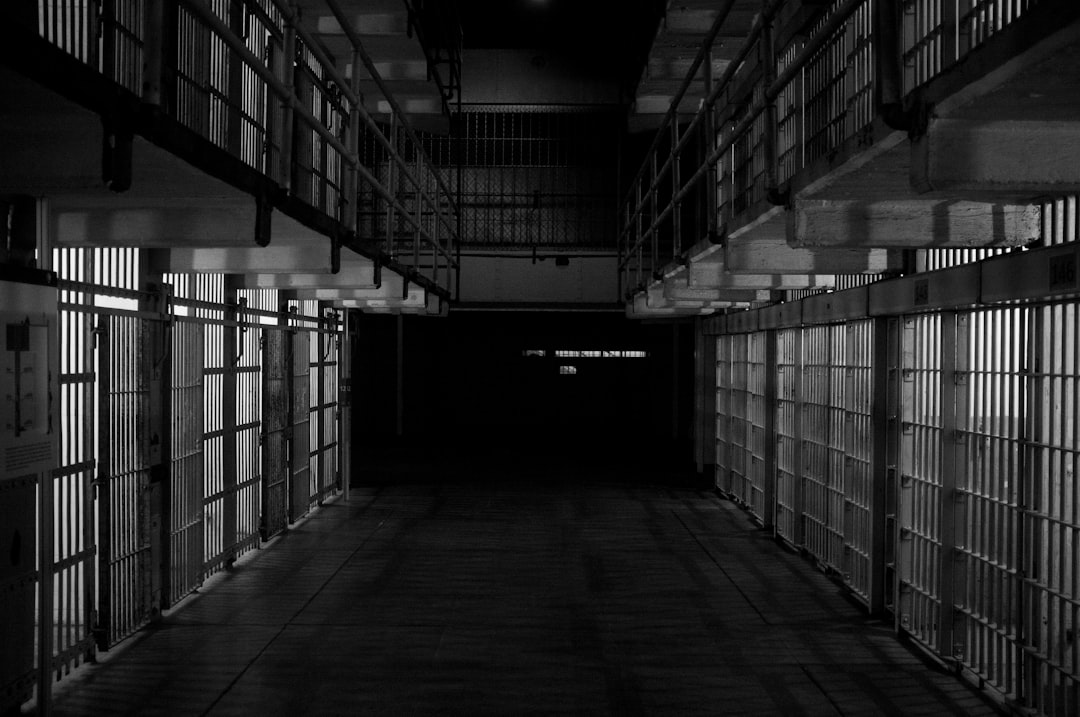
The Supreme Court ruled 6-3 on Tuesday that a federal statute protecting the religious freedom of incarcerated persons permits lawsuits against state prison systems as institutions — but not against individual prison employees who carry out the violations. The decision leaves a significant enforcement gap for inmates whose religious rights are abused by guards or wardens acting on their own authority.
The Case of Damon Landor
The case centered on Damon Landor, a devout Rastafarian who had worn dreadlocks for nearly two decades as an expression of his faith. Landor was serving a five-month sentence in Louisiana when, with only three weeks remaining, he was transferred to a different prison facility.
Landor carried with him a federal appellate court opinion affirming that Rastafarian inmates have a legally protected right to wear dreadlocks. Prison guards discarded the document. A warden then ordered Landor restrained — handcuffed to a chair — while guards shaved his head.
After his release, Landor filed suit against the warden and the guards who carried out the order. A federal district court dismissed the case. The Fifth Circuit Court of Appeals affirmed. On Tuesday, the Supreme Court agreed, with Justice Neil Gorsuch writing for the majority: “Mr. Landor does not have a federal RLUIPA cause of action against the officers.”
The Law at Issue
Congress enacted the Religious Land Use and Institutionalized Persons Act (RLUIPA) in 2000, with the stated purpose of protecting prisoners and other institutionalized persons from government burdens on their religious practice. The law promises “appropriate relief” to those whose rights are violated.
The Court’s majority held that while RLUIPA permits suits against state prison systems — entities that receive federal funding — it does not extend to individual officials acting in their personal capacity. The six conservative justices joined in that interpretation; the three liberal justices dissented.
Justice Ketanji Brown Jackson, writing in dissent, warned that the ruling would leave prisoners without a practical remedy. “Prisoners like Landor who suffer violations of their religious freedom in state prisons — no matter how blatant — will often be left remediless,” she wrote. Justices Sonia Sotomayor and Elena Kagan joined the dissent.
A Narrowing of Religious Protections Behind Bars
The decision marks a notable constraint on a law that, in previous decades, showed considerable reach. In 2015, a unanimous Supreme Court ruled in favor of a Muslim prisoner in Arkansas who was denied the right to grow a short beard in accordance with his faith — a 9-0 decision that appeared to signal strong judicial backing for prisoner religious liberty claims under RLUIPA.
Tuesday’s ruling does not disturb that precedent, but it limits the pool of defendants against whom RLUIPA suits may be brought. Institutional defendants — state corrections departments — remain liable. Individual officers, however, are now shielded from personal damages claims under the statute, even when their conduct is as direct and documented as in the Landor case.
A Catholic Social Teaching Perspective
Catholic social teaching has consistently affirmed the dignity of every human person, including those deprived of their liberty by the state. The Catechism of the Catholic Church teaches that legitimate authorities must respect the fundamental rights of prisoners, and the Church has long maintained that incarceration does not strip a person of inherent dignity or the right to practice their faith.
RLUIPA itself was rooted in a bipartisan recognition that the state owes a serious duty not to extinguish religious practice among those in its custody. When a man with three weeks left in a five-month sentence can be forcibly restrained and have his religiously significant hair shaved off — with a court opinion protecting him sitting discarded on the floor — and then receive no personal accountability from those who carried out the act, the question of whether the law adequately vindicates that duty is an urgent one.
Whether Congress takes up that question in the wake of Tuesday’s ruling remains to be seen. For now, inmates whose religious liberties are violated by individual officers must rely on whatever remedies remain available under state law or other federal statutes — avenues the Court’s majority did not foreclose, but also did not guarantee.