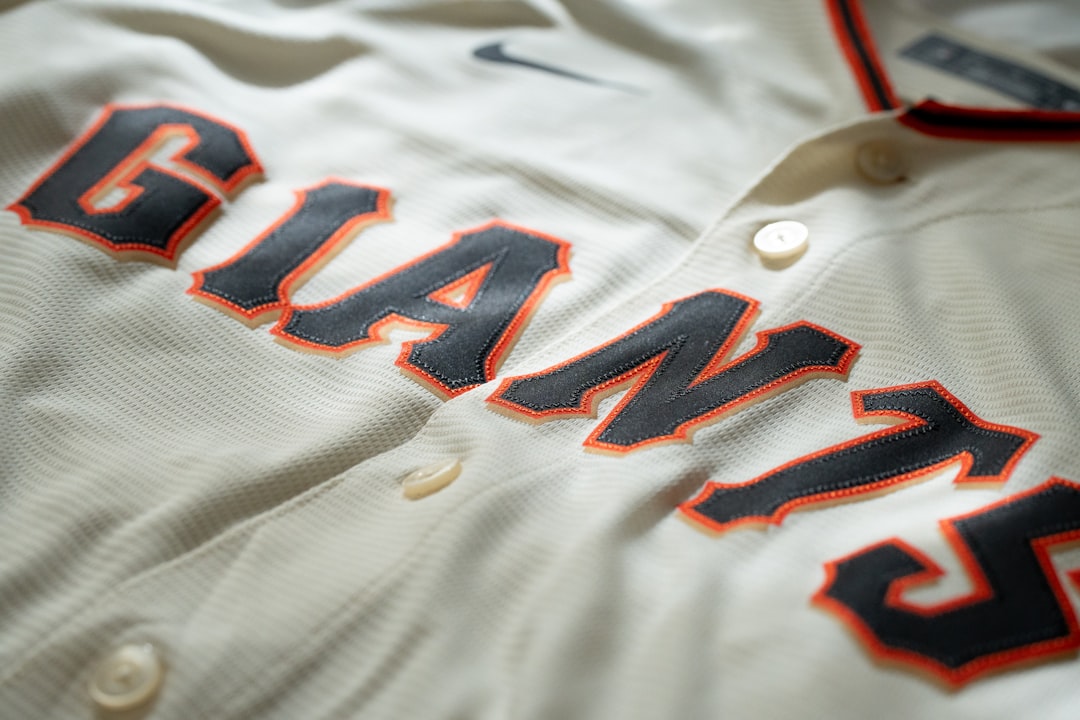
Major League Baseball Commissioner Rob Manfred has confirmed that three San Francisco Giants players who wrote Bible verses on their caps during a June 12 Pride Night game will not be disciplined, attributing the incident to a failure by the team to clearly communicate uniform options to its players. The episode has drawn federal scrutiny and reignited a national debate over religious expression in professional sports.
What Happened
During the Giants’ Pride Night event on June 12, three players added Bible verse references to their caps, including a citation of Genesis 9:12-16. The team issued an apology to the LGBTQ+ community following the game, stating that the players had caused “pain and anger.” MLB subsequently issued warnings to the players involved.
Sen. Josh Hawley (R-Missouri) brought wider attention to the matter by posting on X a letter from Commissioner Manfred that clarified the league’s position. In the letter, Manfred wrote that the players “apparently did not understand that they had the option to wear their normal uniform,” and placed the responsibility on the Giants organization for inadequate communication. He added that the players “were neither fined nor disciplined, nor will they ever be.”
MLB’s uniform policy does prohibit players from writing messages on their uniforms. Manfred’s letter indicates the league views the players’ conduct as stemming from confusion rather than defiance.
Federal Investigation Opened
The Department of Justice opened an investigation into the incident, and the matter was referred to the Equal Employment Opportunity Commission. Harmeet Dhillon, assistant attorney general for the DOJ’s Civil Rights Division, sent a letter to Manfred warning that the department intends to hold employers accountable when Christians face workplace discrimination.
The DOJ letter also alleged that MLB has applied a double standard in its uniform messaging enforcement, noting that players had previously worn “Black Lives Matter” messages despite the league’s general prohibition on such additions — and faced no comparable warnings or scrutiny.
Rep. Lauren Boebert (R-Colorado) went further, urging the Justice Department to reexamine MLB’s antitrust exemption in light of the controversy. That exemption, a longstanding legal carve-out unique to professional baseball, shields the league from certain federal antitrust laws, and its scope has periodically been subject to congressional debate.
A Pattern of Concern
The Giants incident is not isolated. Just weeks before the Pride Night controversy, the Washington Nationals terminated Sean Hudson, the team’s former director of community relations, for remarks he made about pitcher Trevor Williams and his Catholic faith. Hudson was dismissed in less than a month’s time, a timeline that critics have cited as evidence of the uneven treatment Dhillon’s letter flagged.
The Ninth Circuit Court of Appeals is currently weighing a related legal question — whether religious ministries retain the right to hire employees who share their beliefs — a case with significant implications for how courts define the boundary between religious identity and employment law.
Catholic Teaching and Religious Liberty in the Workplace
For Catholics, the events surrounding the Giants players touch on principles the Church has consistently articulated. The freedom to express one’s faith — including in public life and the workplace — is not a private preference but a fundamental right rooted in human dignity. The Second Vatican Council’s declaration Dignitatis Humanae affirms that religious freedom must be recognized in civil society, and that no person should be coerced or penalized for practicing or expressing religious belief.
The Catechism of the Catholic Church likewise holds that workers retain their rights as persons, including the right to act in conscience, even within employment relationships. The question of whether professional athletes — or any employees — may be warned or sanctioned for privately held religious expression is one that Catholic social teaching would ask employers and governing bodies to approach with genuine respect for that freedom, not merely procedural tolerance.
Commissioner Manfred’s clarification that no discipline will follow is a meaningful step. But the broader pattern of incidents — the Hudson termination, the DOJ’s double-standard allegation, and the initial warnings issued to the players — suggests the underlying tensions in professional sports over religious expression remain unresolved. Federal agencies and the courts are now engaged, and further developments are expected as the EEOC review proceeds.
Category: Public Life