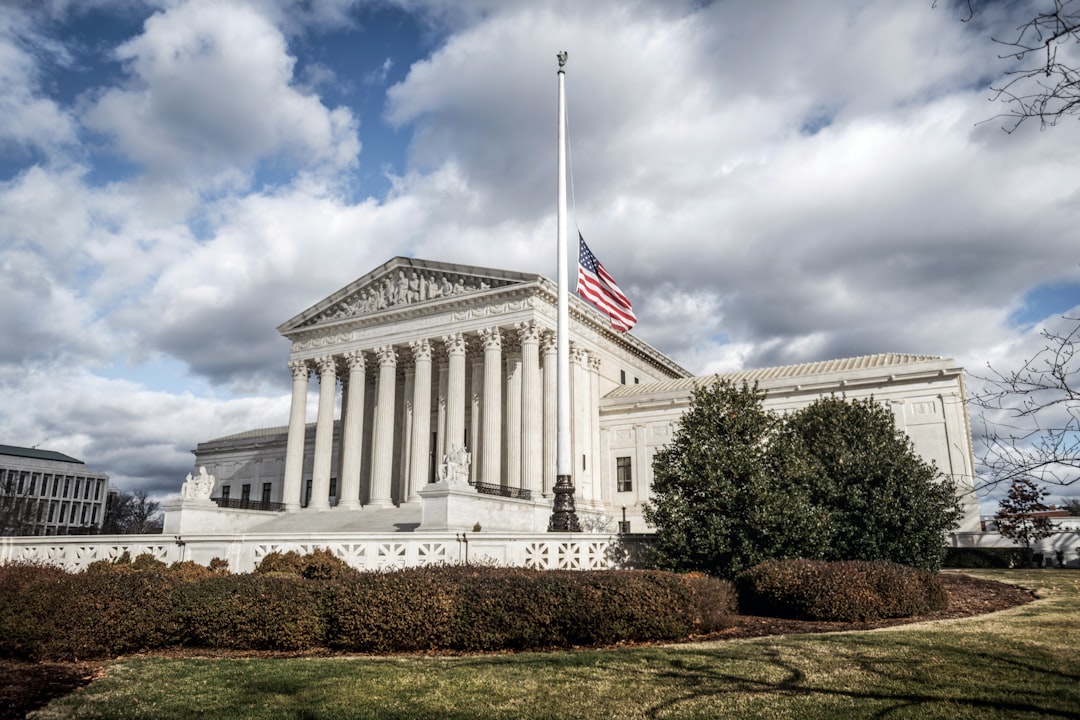
Kentucky Attorney General Russell Coleman is heading a coalition of 14 states urging the U.S. Supreme Court to protect religious liberty under the First Amendment. The legal challenge centers on an Ohio municipality’s actions that prevented Daniel Grand, an Orthodox Jewish man, from practicing his faith within his own home.
Grand’s religious obligations require him to pray three times daily with a minyan, a quorum of 10 men. The coalition argues that the city’s interference violated these fundamental rights. In their brief, Coleman and his colleagues contend that the infringement on Grand’s freedom was immediate and irreparable.
A Broader Defense of Faith
Coleman’s office framed the case as part of a larger effort to curb government overreach, citing lessons learned during the COVID-19 pandemic when religious practices faced widespread restrictions. The attorney general emphasized that courts must act swiftly when state power targets faith traditions.
“The free exercise of religion is one of our most fundamental freedoms,” Coleman said in a statement regarding the filing. “When government uses its power to crack down on faith practices it disagrees with, courts must move with speed to protect our liberties.”
The coalition includes Alabama, Arkansas, Florida, Idaho, Iowa, Kansas, Louisiana, Mississippi, Montana, Nebraska, South Carolina, South Dakota, and West Virginia. These states are joining Kentucky in asserting that local ordinances cannot override constitutional protections for religious observance.
Context of Rising Antisemitism
This Supreme Court filing follows other recent efforts by Coleman’s office to combat antisemitism. In July, the attorney general argued before the U.S. Sixth Circuit Court of Appeals in Cincinnati to uphold a Kentucky law designed to address hate on college campuses.
Data indicates a sharp rise in hostility toward Jewish students and faculty. Reported instances of antisemitism on American college campuses increased by 200 percent between 2022 and 2024. Coleman stated that his office remains committed to defending the faith traditions that helped build the nation.
“Along with my AG colleagues from across the country, we will continue standing strong for the First Amendment,” Coleman added.
Supreme Court Calendar
The Supreme Court is expected to hear oral arguments in the case on December 9. The high court typically selects approximately 60 cases per term from thousands of petitions received, making this selection a significant procedural step for the coalition.
A final ruling is not anticipated until June 2027. The outcome could set a precedent for how local governments regulate religious gatherings in private residences and define the limits of municipal authority over First Amendment rights.