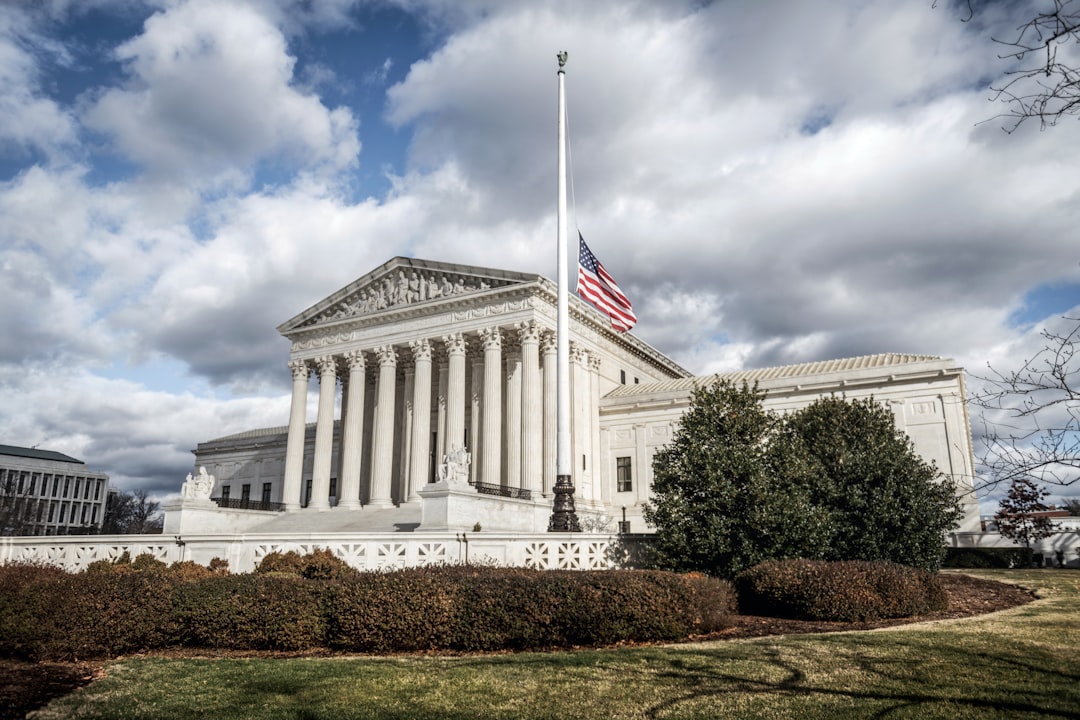
A federal judge has voided a sweeping State Department visa policy that barred nationals from 75 countries from receiving immigrant visas, ruling the measure unlawful and ordering any visa denials based solely on it to be reconsidered.
U.S. District Judge Jeannette Vargas issued her ruling on August 21, describing the policy as “patently unlawful” and a direct infringement on established federal rulemaking procedures. The decision came after the Catholic Legal Immigration Network challenged the administration in court.
The Policy and the Challenge
The challenged policy originated on January 14, when Secretary of State Marco Rubio directed consular offices worldwide to deny new immigrant visas to applicants from the affected nations. The administration’s stated rationale was that migrants from those countries presented an elevated risk of becoming dependent on public assistance — what immigration law terms a “public charge.”
Judge Vargas found the blanket approach legally indefensible, concluding that it “categorically prohibits the issuance of immigrant visas based upon the nationality of the applicant.” The court ordered the policy vacated and directed that any visa refusals issued solely on the basis of that directive be set aside, as first reported by the EWTN News.
The Catholic Legal Immigration Network, a national nonprofit whose member agencies provide immigration legal services across the country, brought the suit on behalf of individuals and families caught in the policy’s broad sweep. The network’s executive director, Anna Gallagher, said that the suspension “separated spouses, parents and children who were simply following the legal immigration process,” as she told Catholic News Agency.
Catholic Social Teaching and Immigration Law
The case sits at the intersection of two principles that the Church holds in a careful tension. Catholic social teaching affirms both the right of nations to regulate their borders and the dignity of migrants and their families. The Catechism of the Catholic Church calls on political authorities to welcome foreigners to the extent they are able, while also recognizing the legitimate exercise of sovereignty over immigration (CCC 2241). What the Church consistently resists is any policy that severs family bonds arbitrarily or denies persons recourse to lawful processes they have already entered in good faith.
The families affected by the January 14 directive had, in many cases, been navigating legal immigration channels for years. A blanket nationality-based suspension — applied without individual review of public-charge risk — raises the precise concern the Church articulates: that administrative convenience not be purchased at the cost of family unity and human dignity.
The Catholic Legal Immigration Network, founded with the support of the U.S. Catholic bishops, exists precisely to accompany immigrants through legal processes and to challenge policies that, in its assessment, depart from both the law and from the humane treatment owed to persons on the move.
Broader Immigration Legal Landscape
The ruling arrives amid a complex and shifting legal environment around immigration policy. In June, the Supreme Court held that the Trump administration had exceeded its authority in issuing an executive order that would have denied birthright citizenship to children born in the United States to parents without legal status — a significant check on executive action in the immigration sphere.
In that same month, however, the Supreme Court sided with the administration in decisions related to the termination of temporary protected status for Haitian and Syrian migrants, handing the executive branch a notable victory in those cases. The competing rulings illustrate the degree to which immigration policy remains contested terrain in the federal courts.
Judge Vargas’s decision adds to a pattern of judicial scrutiny directed at sweeping executive and administrative immigration measures, with courts examining whether broad categorical rules satisfy the procedural and substantive requirements of federal law.
What Comes Next
The administration may appeal the ruling. Consular offices will be required to revisit visa applications that were denied solely because of the now-vacated directive. For the families separated by months of processing delays and categorical refusals, the court’s order opens the possibility of resuming a legal immigration process they had not abandoned.
The Catholic Legal Immigration Network has indicated it will continue to monitor implementation of the ruling and to advocate for those affected by the policy during the period it was in force.
Category: America